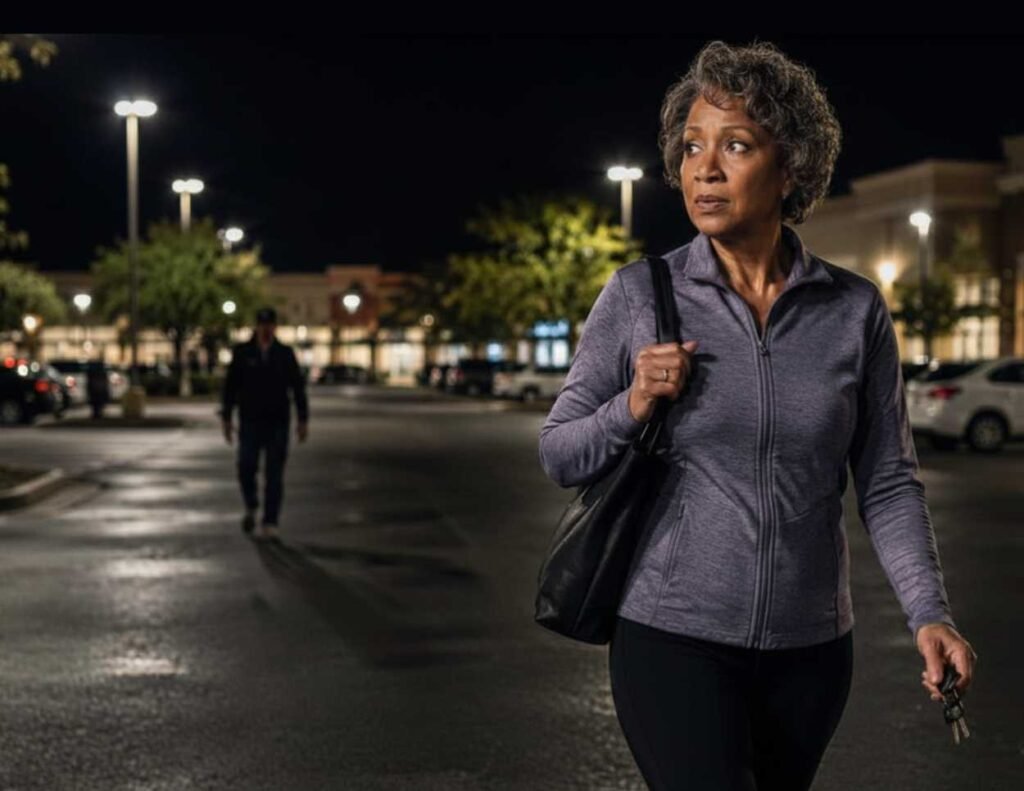
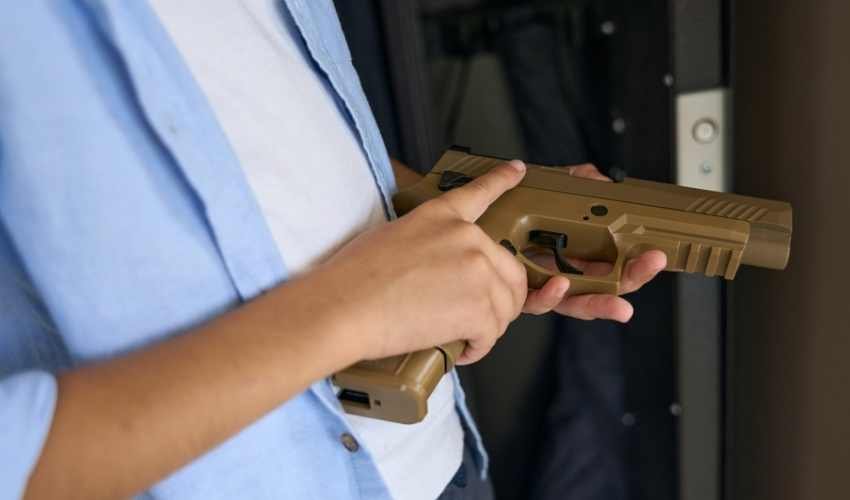
Choosing the right self defense weapons as a senior is one of the most practical decisions you can make for your own safety. Seniors are targeted. That’s not an opinion — it’s a pattern criminals rely on. Slower reaction times, living alone, predictable routines, and in many cases, a reluctance to plan for the worst. If you’re reading this, you’re already ahead of that curve.
This article covers the best self defense weapons for seniors — what works, what doesn’t, what’s legal in Florida, and how to think about protecting yourself at home and beyond. No fluff. No scare tactics. Just information you can actually use.
Before we get into the best self defense weapons available to you, let’s start with what Florida law actually allows — because the news here is good.
Florida Self Defense Weapons Laws: The Good News
Florida is one of the most self-defense-friendly states in the country, and the law has only expanded in your favor in recent years.
In 2023, Governor DeSantis signed House Bill 543 into law, making Florida a constitutional carry state effective July 1, 2023. You can carry a concealed firearm without a permit. No application, no waiting, no license — as long as you are legally allowed to own a firearm. (Source: Office of the Governor of Florida)
To qualify, you must carry a valid ID while in possession of a concealed weapon and provide it to law enforcement if asked. WFLA
Florida’s Stand Your Ground law also applies. Under Florida Statute § 776.013, if someone unlawfully enters your home you have no duty to retreat. You have the legal right to stand your ground and use force — including deadly force — if you reasonably believe it is necessary to prevent death or great bodily harm. (Source: flsenate.gov § 776.013)
Where you cannot carry, regardless:
- Schools and school-sponsored events
- Government buildings and courthouses
- Police stations
- Polling places on election day
- Establishments whose primary business is serving alcohol
A note on non-lethal weapons: Per Florida Statute 790.053, you may openly carry a self-defense chemical spray or a nonlethal stun gun designed solely for defensive purposes. (Source: flsenate.gov § 790.053)
Bottom line — Florida law backs you up. Now let’s talk about your options.
An Important Note Before We Continue
The information in this article is for educational purposes only. Purchasing, carrying, or using any self defense weapon is a serious personal decision that should not be taken lightly. Every individual has different physical abilities, cognitive considerations, living situations, and comfort levels. What works for one person may not be appropriate for another. We strongly encourage you to consult with a licensed firearms dealer, a self defense instructor, or a legal professional before making any decisions.
Non-Lethal vs Lethal Self Defense Weapons: Which Is Right for Your Situation?
This is the most important decision you’ll make before you ever purchasing a self defense weapon. And it’s not as simple as “I don’t want to hurt anyone” versus “I’ll do whatever it takes.” There’s real nuance here and your answer may be different for your home than it is for your daily life outside of it.
When non-lethal self defense weapons make sense:
Non-lethal options can be a smart first line of defense in situations where the threat is unclear, you’re in a public space, or you want the ability to stop someone without permanently injuring them. A stranger following you through a parking garage, someone approaching you aggressively on a walking trail, an uncomfortable situation in a public restroom — these are exactly the scenarios where pepper spray, a Byrna gun, or a personal alarm can stop a threat and give you time to get away.
Non-lethal weapons are also a strong choice for seniors who are not comfortable with firearms, haven’t trained with one, or have physical limitations that make handling a gun difficult.
Potential lethal force situations:
Inside your home, the calculation changes. If someone breaks in while you are there, you are in a confined space with no guaranteed exit and no time to assess intent. Florida’s Stand Your Ground law exists precisely for this situation.
A firearm is the most effective tool for home defense because it works at a distance, requires no physical contact, and does not depend on perfect aim under stress the way some non-lethal options do.
The standard every senior home defense weapon should meet:
Point. Fire. Distance.
If a weapon requires you to close the gap between yourself and an intruder, make physical contact, or execute multiple steps while terrified, it does not meet that standard. We’ll cover exactly which weapons fail that test later in this article.
The case for having both:
The smartest approach for your situation may include both. A personal alarm and pepper spray for your daily life outside the home. A firearm for home defense. These aren’t competing choices, they’re complementary ones.
Not everyone is comfortable with a lethal weapon, and that is perfectly reasonable. If you are considering a firearm for home defense but aren’t sure where to start, working with a licensed firearms instructor — in a private session or a small group setting — is one of the best investments you can make. Local instructors can walk you through handling, safety, and storage at your own pace with zero pressure.
Best Non-Lethal Self Defense Weapons for Seniors
Non-lethal self defense weapons are an excellent option for seniors who want real protection without a firearm — and for anyone who spends time out in the world and wants something practical they can carry daily. The options below meet our basic standard: they work at a distance, they’re relatively simple to deploy, and they don’t require you to get close to a threat.
The Byrna Gun
What is a Byrna gun?
The Byrna gun is a handheld, CO2-powered personal security device that launches projectiles — including pepper rounds, chemical irritant rounds, and solid kinetic rounds — at a threat from up to 60 feet away. It looks and feels like a compact pistol, which is part of its value.
Do you need a license to carry a Byrna gun in Florida?
No — and in Florida, you don’t need a license to carry a firearm either. What’s worth knowing about the Byrna is that it isn’t classified as a firearm at all under federal law. It falls in the same category as BB guns, pellet rifles, and paintball guns — which means no background check, no permit, and no restrictions on purchase. You can order one online and have it shipped directly to your door.
Why seniors like the Byrna:
The Byrna is lightweight, easy to grip, and fires from a comfortable distance — no close contact required. It’s refillable, reusable, and comes with different round types depending on how much stopping power you want. For a senior who wants something that looks serious, works at range, and doesn’t require a firearms license, the Byrna is one of the best non-lethal self defense weapons available.
Cost: Byrna starter kits typically run between $299 and $399. (Source: byrna.com)
Sabre Pepper Ball Gun
The Sabre pepper ball gun operates on a similar concept to the Byrna — a CO2-powered launcher that fires pepper balls at a distance. It’s a well-known brand in the personal security space with a strong reputation for reliability.
Where it differs from the Byrna is primarily in round capacity and price point. The Sabre launcher is generally more affordable and widely available at major retailers. For seniors comparing the two, the decision often comes down to budget and personal preference in grip and size — both are solid options that keep distance between you and a threat.
Mace
What is mace?
Mace is a brand name that has become synonymous with personal defense sprays, similar to how Kleenex became the word for tissue. The original Mace formula was based on a chemical compound called phenacyl chloride — however, most Mace products sold today are actually pepper spray based, or a combination of pepper spray and tear gas.
Mace vs Pepper Spray — Are they the same thing?
Not exactly, though the terms are used interchangeably by most people. True mace uses a different chemical base than pepper spray. Today’s Mace Brand products often combine both, giving you a broader irritant effect. For practical purposes, either will do the job.
Pepper Spray
What is pepper spray?
Pepper spray is an aerosol defense spray made from oleoresin capsicum — the active compound in hot peppers. When sprayed at an attacker it causes immediate intense burning in the eyes, nose, and throat, temporary blindness, and difficulty breathing. It is one of the most widely used and effective non-lethal self defense weapons available.
Does pepper spray expire?
Yes. Most pepper spray has a shelf life of two to four years. The canister can lose pressure over time, and the active ingredient degrades. Check the expiration date on yours and replace it on schedule — an expired canister in a real situation is not a risk worth taking.
Choosing the right pepper spray:
- Stream — narrow, direct spray with less risk of blowback in wind. Best for outdoor use.
- Gel — sticks to the target, harder to wipe off, less airborne. Good for indoor use.
- Fog — wide dispersal, good for multiple threats but higher blowback risk.
For most seniors, a gel or stream formula in a canister with a comfortable grip and a safety mechanism that won’t accidentally discharge in a purse or pocket is the right call.
Pepper spray for your daily life:
This is where pepper spray earns its place beyond the home. It fits in a purse, a jacket pocket, or clips to a keychain. Parking lots, walking trails, parks, public restrooms, your evening walk with the dog — any place you are can become an unsafe place without warning. Pepper spray is one of the simplest, most affordable self defense weapons you can have on you at all times.
Personal Alarms
A personal alarm won’t stop a physical threat on its own — but don’t underestimate it. A 120-decibel alarm draws immediate attention, startles an attacker, and can buy you critical seconds to get away or deploy another weapon. They’re small, require no training, and work for anyone regardless of physical strength or mobility.
Personal alarms are particularly effective in public spaces — parking garages, trails, parks — where other people are nearby. They’re also a strong option for seniors who may be uncomfortable with any type of spray or launcher but still want something in their hand.
Look for one that attaches to a keychain or bag strap and activates with a simple pull or button press — not something that requires fumbling under stress.
Best Lethal Self Defense Weapons for Seniors: Firearms for Home Defense
When it comes to home defense, a firearm is the most effective tool available. It works at a distance, requires no physical contact, and delivers a clear and immediate deterrent. For seniors living alone or in quieter neighborhoods where response times can be longer, having a firearm in the home is a serious and reasonable decision.
The Handgun: The Only Realistic Bedside Option
A handgun is what belongs on your nightstand or tucked under the pillow you don’t sleep on. It’s within reach, out of sight, and ready. That’s the standard.
A revolver is an excellent starting point for seniors — no slide to rack, no safety to disengage under stress, no malfunction to clear in the dark. Point and fire. A semi-automatic handgun offers more rounds but requires more handling proficiency. Both are valid — the right choice depends on what you’ve trained with and what you can operate confidently at 2am half asleep and terrified.
A long gun has no place in this conversation. It’s visible to anyone who enters the room, which eliminates your advantage immediately. Bedside defense is about concealment, accessibility, and simplicity.
Physical Considerations When Choosing a Handgun
A firearm you cannot handle confidently is not a self defense weapon — it’s a liability.
- Grip strength and arthritis — If racking a slide is painful or difficult, a revolver eliminates that problem entirely
- Weight — Handle several before you buy. Heavier firearms cause fatigue and affect aim
- Recoil — A .38 Special revolver or a 9mm handgun offer manageable recoil for most seniors without sacrificing stopping power
- Trigger pull — Some firearms require more finger strength than others. Test before you commit
The best handgun for senior home defense is the one that fits your hand, that you can operate confidently, and that you have actually trained with.
Safe Gun Storage: Where to Keep It
Nightstand drawer. Under the pillow you don’t sleep on. A quick-access biometric or PIN-entry safe within arm’s reach. These are your realistic options — accessible in seconds, out of sight, ready when you need it.
If grandchildren or others visit regularly, a quick-access safe is the right answer. If you live alone, that calculation is yours to make. Storage decisions should reflect your actual living situation.
Best Self Defense Weapons for Seniors — At a Glance
A quick reference guide to help you compare your options before making a decision.
| Weapon | Type | Effective Range | Ease of Use | Florida Legal | Best For |
|---|---|---|---|---|---|
| Non-Lethal Options | |||||
| Byrna Gun | Non-Lethal | Up to 60 ft | ★★★★★ | Yes | Home defense, daily carry, parking lots |
| Sabre Pepper Ball Gun | Non-Lethal | Up to 60 ft | ★★★★★ | Yes | Home defense, daily carry |
| Pepper Spray | Non-Lethal | 10–15 ft | ★★★★★ | Yes | Daily carry, walks, parking lots, trails |
| Mace | Non-Lethal | 10–15 ft | ★★★★★ | Yes | Daily carry, purse, keychain |
| Personal Alarm | Non-Lethal | N/A — audible | ★★★★★ | Yes | Public spaces, trails, supplement to other weapons |
| Lethal Options | |||||
| Handgun (Revolver) | Lethal | Room to room | ★★★★★ | Yes | Home defense, bedside, concealed carry |
| Handgun (Semi-Auto) | Lethal | Room to room | ★★★★★ | Yes | Home defense, concealed carry — requires more training |
| Not Recommended for Senior Home Defense | |||||
| Taser (Projectile) Not Recommended | Non-Lethal | 15–35 ft | ★★★★★ | Yes | One shot, high margin for error under stress |
| Taser (Drive-Stun) Not Recommended | Non-Lethal | Contact only | ★★★★★ | Yes | Requires closing distance — not safe for seniors |
| Stun Gun Not Recommended | Non-Lethal | Contact only | ★★★★★ | Yes | Direct contact required — weapon can be taken from you |
Note: Ease of use ratings reflect usability for seniors specifically, considering grip strength, stress response, and deployment simplicity. Always consult a licensed firearms instructor or self defense professional before purchasing any weapon. This table is for informational purposes only.
Our List of Weapons NOT RECOMMENDED for Senior Home Defense and Why
Let’s be direct about this. The self defense market is full of options that sound reasonable until you think them through. The weapons below are not on our recommended list for senior home defense — not because they don’t work in theory, but because theory goes out the window the moment someone is breaking into your home.
Tasers & Stun Guns
There are a few variations of these devices — some fire darts, some deliver a shock on contact, some do both depending on the mode. The mechanics differ but the problem is the same across all of them.
Either you get one shot that has to land perfectly under extreme stress, or you have to get close enough to physically touch someone who is breaking into your home. For a senior in a home invasion that is not a realistic or safe option. These devices also give an intruder the opportunity to grab the weapon and turn it on you.
Do You Need Training? Yes.
This isn’t a debate. Owning a self defense weapon without training is like keeping a fire extinguisher you’ve never learned to use. It feels like preparation. It isn’t.
This is especially true for seniors who may not have handled a firearm or personal defense weapon in years — or ever. Stress, darkness, adrenaline, and fear change everything. The only way to know how you will respond is to practice before you need to.
What Training Looks Like
It doesn’t have to be intense or intimidating. Most firearms instructors who work with seniors understand the pace, the physical considerations, and the specific scenarios that matter most for home defense. You are not training for law enforcement. You are training to protect yourself in your own home.
Options include:
Private instruction — One on one with a licensed firearms instructor, at your pace, focused entirely on your specific weapon and situation. This is the most efficient path for most seniors.
Small group classes — A more affordable option that still gives you hands-on instruction and the benefit of hearing other people’s questions. Many ranges in Southwest Florida offer beginner and senior-specific courses.
Range time — Once you have basic instruction, regular range visits build the muscle memory that makes a weapon actually useful under stress. Even once a month makes a meaningful difference.
If you are carrying pepper spray or a Byrna gun, training still applies. Know how your device works, practice deploying it, and understand its range and limitations before you are in a situation that requires it.
The goal of training isn’t to become an expert. It’s to make sure that when you need your weapon, your hands already know what to do.
Storage and Accessibility: The Gap Many People Don't Think About
Having a self defense weapon is only half the equation. The other half is whether you can actually get to it in time.
This is where a lot of people’s plans fall apart. The firearm is in a lockbox in the closet. The pepper spray is in a different purse. The Byrna is in a drawer across the room. None of that helps you at 2am when someone is coming through your bedroom door.
At Home
Your bedside is your first line of defense. Whatever weapon you have chosen for home defense needs to be within arm’s reach when you are sleeping — the moment you are most vulnerable and least prepared.
Options that work:
- Nightstand drawer — simple, immediate, within reach
- Under the pillow you don’t sleep on — completely concealed, instantly accessible
- Quick-access biometric or PIN safe on the nightstand — opens in seconds, keeps the weapon secured if others are in the home
If you move through your home in the evenings — living room, kitchen, back porch — think about whether your weapon moves with you or stays in the bedroom. A weapon in another room is not a home defense plan.
On the Go
Pepper spray and personal alarms are only useful if they are on your body or within immediate reach — not buried at the bottom of a bag.
A keychain attachment, a dedicated pocket, a clip on a purse strap — wherever you carry it, it needs to be somewhere your hand goes without thinking. Parking lots, walking trails, parks, your evening walk, a public restroom — these situations don’t give you time to dig through a bag.
For women especially, a purse with a dedicated exterior pocket for a defense spray is worth considering. Several brands make bags specifically designed for concealed carry and personal security that don’t look the part.
The Simple Rule
If you cannot get to your weapon in under five seconds without turning on a light, crossing a room, or remembering where you put it — it is not accessible. Reconsider the plan.
You Have More Options Than You Think
The best self defense weapons for seniors are the ones that fit your life, your body, and your comfort level — and that you have actually practiced using. There is no single right answer, but there is a wrong one: doing nothing and assuming it won’t happen to you.
Southwest Florida is a beautiful place to live. It is also a place where seniors are targeted precisely because they are perceived as easy marks. You do not have to be.
Start simple. Pepper spray in your bag and a handgun for your nightstand covers most of the scenarios most seniors will ever face. Add training, stay aware of your surroundings, and revisit your plan as your living situation and physical abilities change over time.
The goal isn’t to live in fear. It’s to live without it.
SWFLSenior.com
Practical information for older adults in Southwest Florida — from housing and healthcare to local resources and community connections. Your life. Your choices.